Flex Lifting: Industrial Mobile Cranes
Counterbalanced mobile cranes for safe and efficient lifting in industrial environments.
At Suministros Arsam we integrate the range Flex Lifting in industrial projects requiring safe handling, reduction of ergonomic risks, and improvement of workflows.
Flex Lifting offers a comprehensive range of counterbalanced mobile cranes, available in electric and manual versions, designed to lift and manoeuvre loads safely, precisely, and efficiently in any industrial environment.
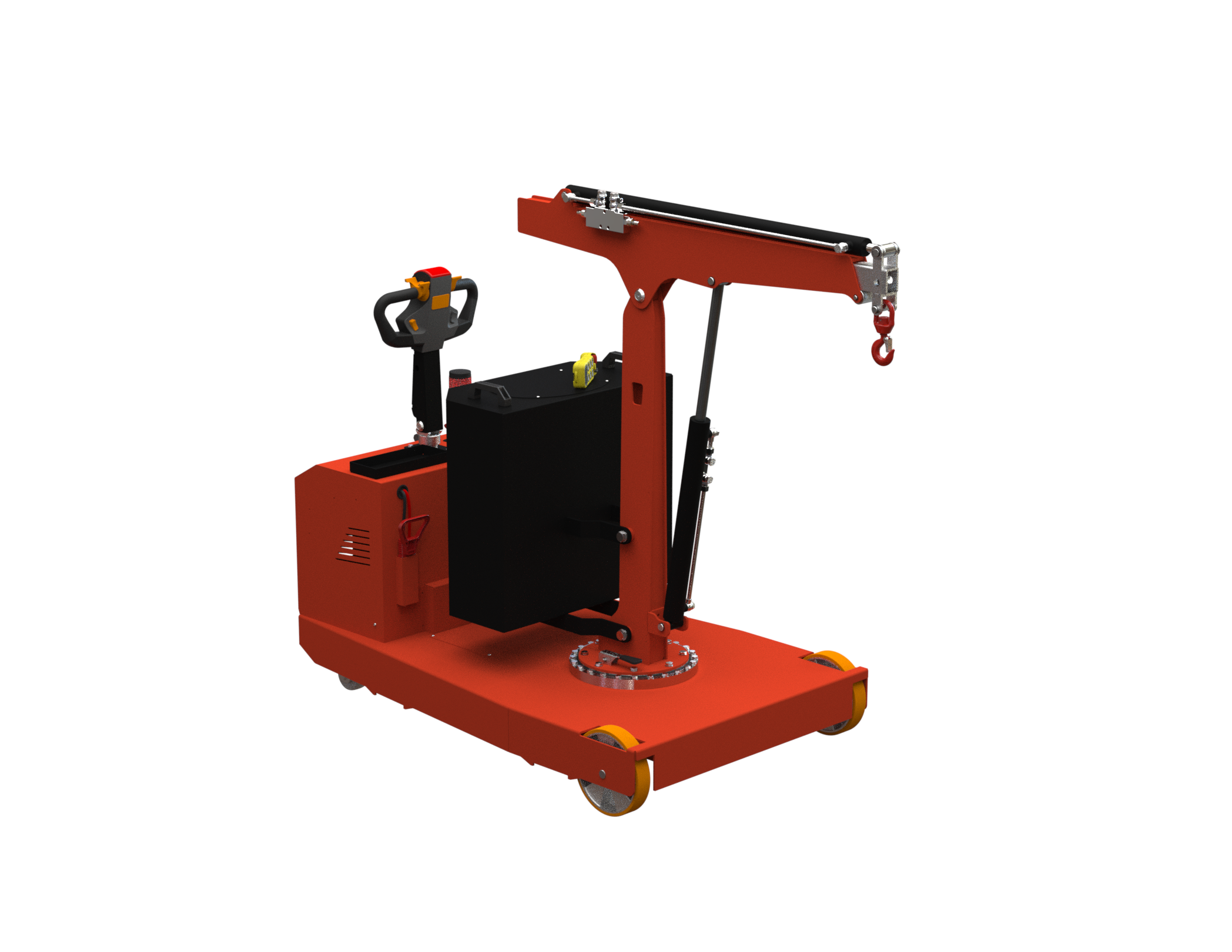
Electric cranes
Counterbalanced mobile cranes with motorised lift for intensive handling. They allow the precise and effortless movement and positioning of loads, ideal for assembly lines, maintenance, and production. They offer high stability and manoeuvrability in confined spaces.
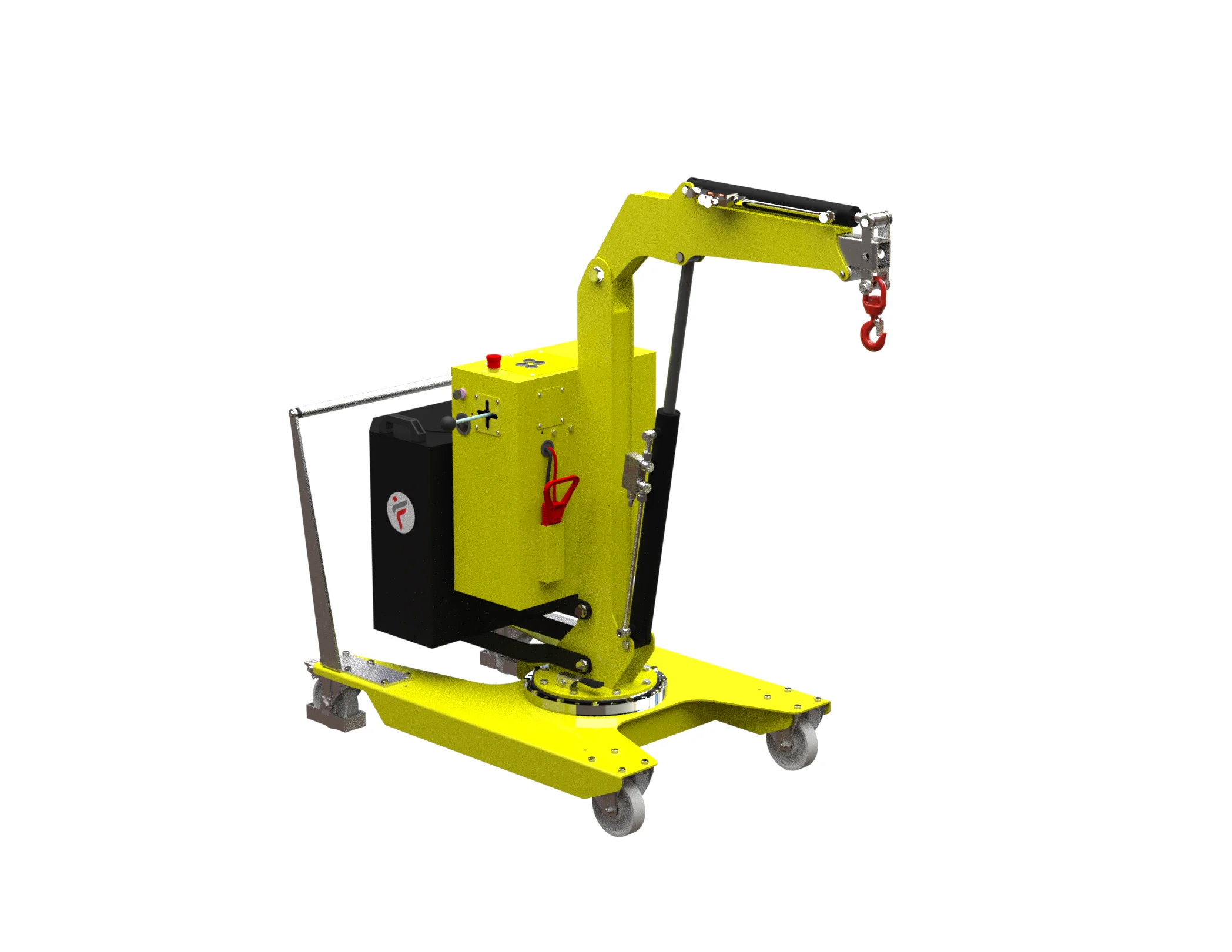
Manual cranes
Counterbalanced mobile cranes designed for occasional or less frequent lifting tasks. Their assisted manual lifting system allows for controlled and smooth movement of loads. They are a robust, economical, and highly manoeuvrable option for workshops and maintenance areas.
FlexLifting Catalogs
Browse and download the catalogs of FlexLiftingwith solutions designed to make the handling, lifting, and positioning of loads easier in industrial environments.
Discover equipment and systems designed to improve the ergonomics, safety, and efficiency in material handling processesreducing operator effort and making it easier to handle loads precisely and safely.
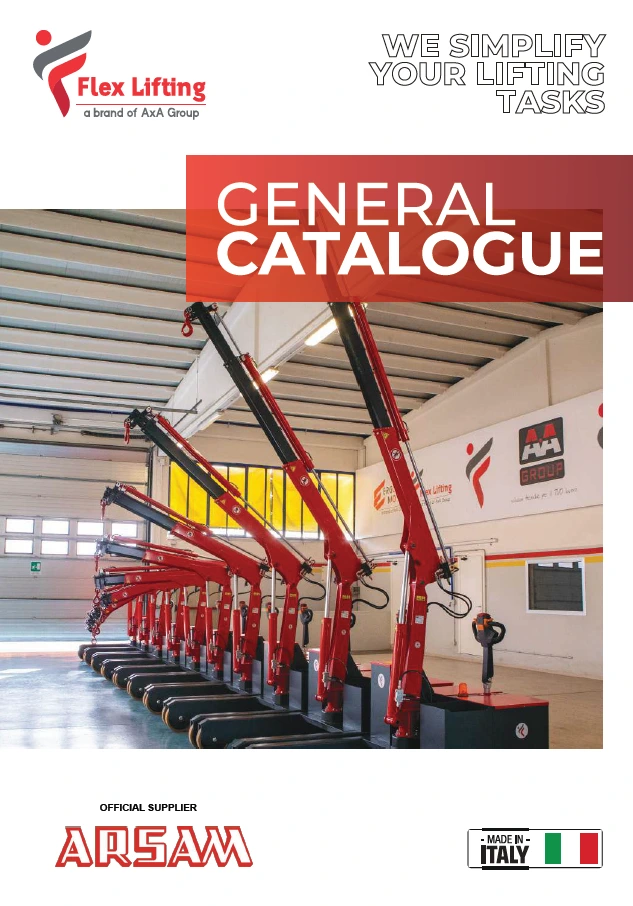
General FlexLifting Catalog
Explore the range of FlexLifting solutions for the ergonomic lifting, handling, and positioning of loads in industrial applications.
View catalogueReal-world applications
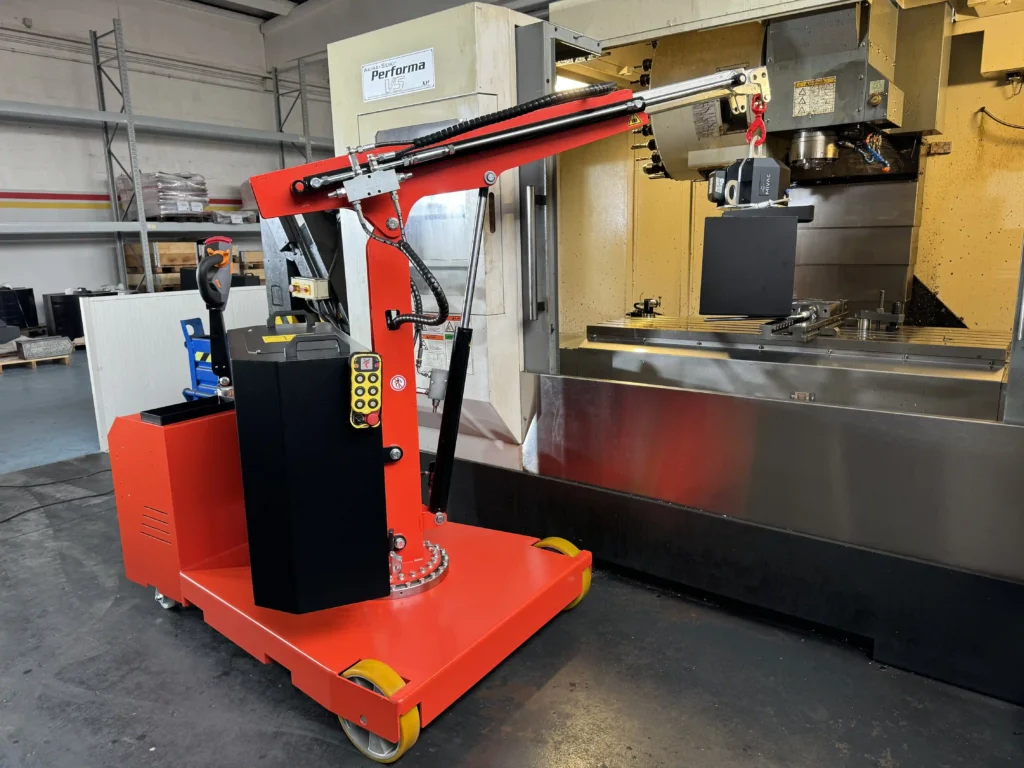
Application in CNC machining
Precise manipulation of parts in CNC machining centres, improving operator safety and reducing loading times.
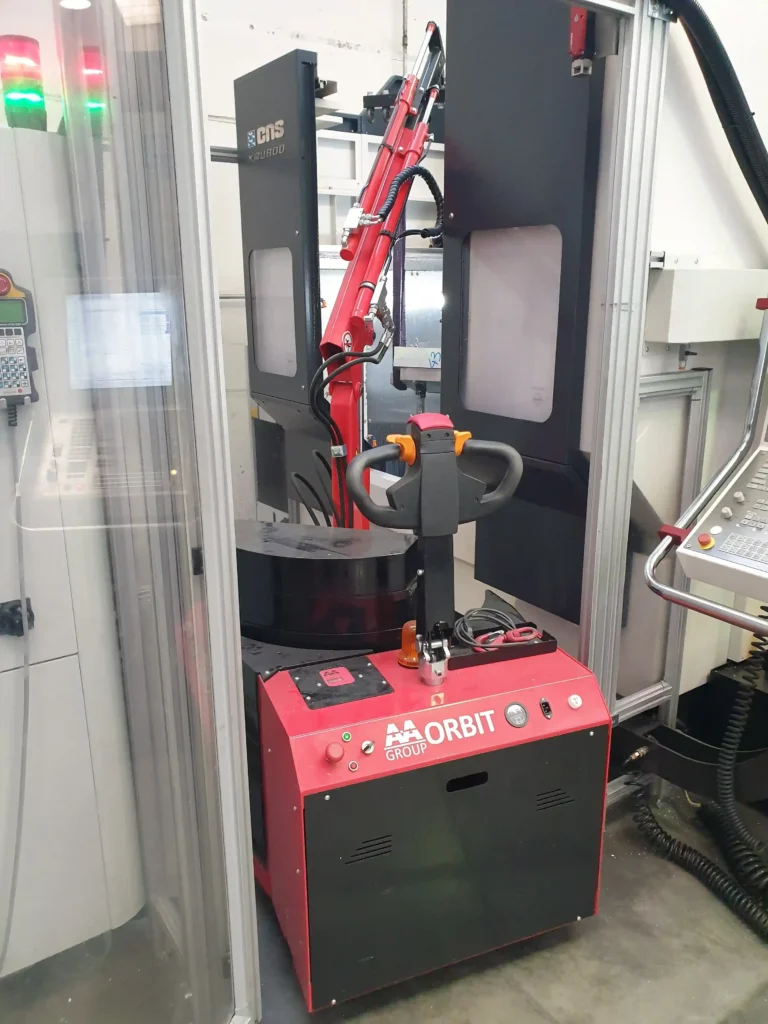
I work in confined spaces
Compact design that allows access to the interior of machinery and working in confined spaces without compromising safety or accuracy.
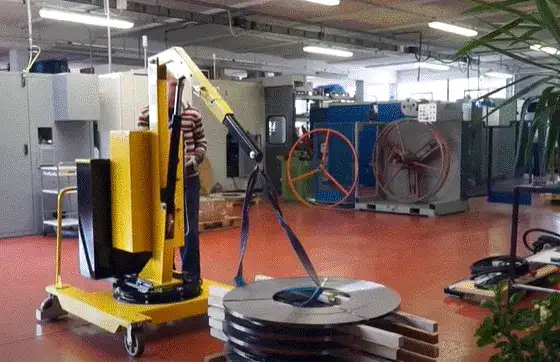
Manual handling of heavy loads
An efficient solution for lifting and handling heavy loads, guaranteeing stability, control, and reduced physical effort for the operator.
Why choose Flex Lifting?
About Flex Lifting
Flex Lifting is the brand of AXA Group specialising in the design and manufacture of counterbalanced mobile cranes for load handling in industrial environments. Their equipment is used in automotive, machining, aeronautics, industrial maintenance, assembly, packaging and production lines where safety and precision are paramount.
Its cranes are noted for their robustness, manoeuvrability, and structural stability. They are designed to operate without fixed installations, allowing them to be moved freely around the plant and brought close to the load even in tight spaces. Their counterbalanced design prevents interference with the load, enabling precise lifting and positioning.
FAQ – Frequently Asked Questions about Flex Lifting
Flex Lifting fabrica grúas pórtico y grúas pluma.
Flex Lifting exclusively manufactures counterbalanced mobile cranes, in both electric and manual versions. These cranes are designed to lift, move, and position loads without the need for fixed installation. Their counterbalanced structure allows approach to the load without the machine interfering, making them an ideal solution for workshops, production, and industrial maintenance.
What is the difference between an electric crane and a manual crane?
Electric cranes allow for motorised lifting movements — and in some models, also translation — making intensive and repetitive operations easier. Manual cranes, on the other hand, are designed for occasional work and offer very precise movement control through assisted manual systems. Both share a counterbalanced design, robustness, and manoeuvrability.
What advantages does a counterbalanced crane offer over a conventional crane?
A counterbalanced crane allows you to get much closer to the load because it has no front legs to get in the way. This makes it easier to access engines, moulds, tooling, or components located on tables, benches, or machines. Furthermore, counterbalanced cranes take up less space and allow work to be carried out in narrow aisles and logistics areas.
In which sectors are Flex Lifting cranes recommended?
Flex Lifting cranes are ideal for the automotive, machining, industrial maintenance, aeronautics, rail, technical logistics, and production plant sectors. Their manoeuvrability and stability make them particularly valuable in areas where loads need to be moved with precision.
What types of loads can Flex Lifting cranes handle?
Depending on the model, they can manipulate engines, moulds, boxes, coils, heavy tools, mechanical components or bulky parts. Electric models allow for very smooth movement control, ideal for delicate or fine-tuning loads.
Do Flex Lifting cranes require fixed installation?
No. All of the brand's solutions are mobile and do not require any building work or installation. This allows them to be used in different areas of the factory and adapted to changes in the layout of production lines or workshops.
Are Flex Lifting cranes safe?
Yes. They are manufactured to the AxA Group's standards and include counterbalanced structures, stability systems, and protected lifting mechanisms to ensure safe use in demanding industrial environments.