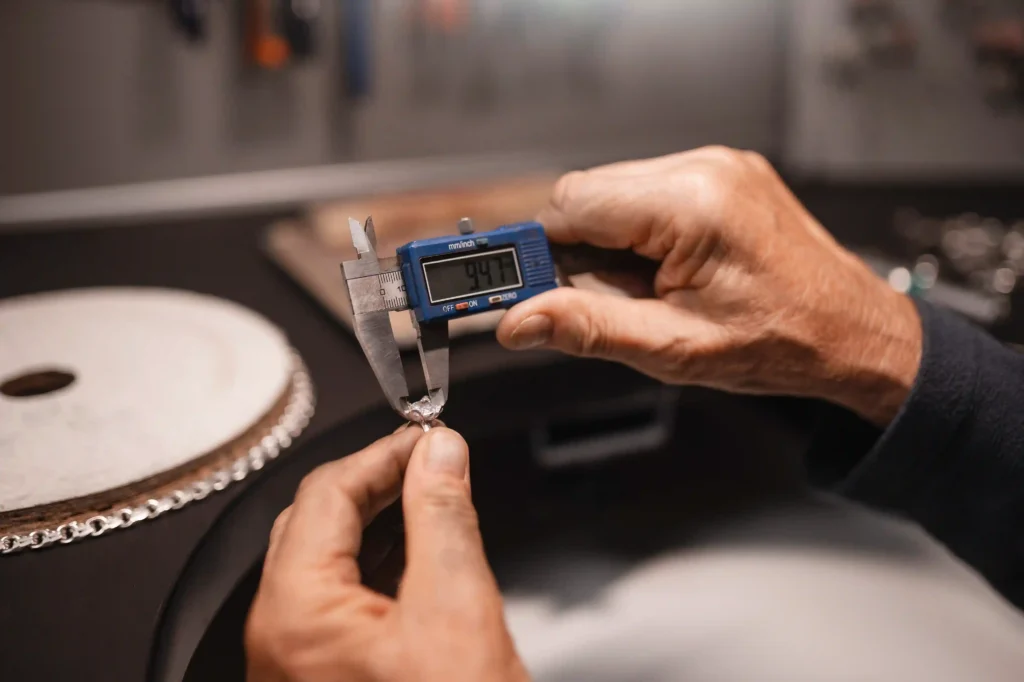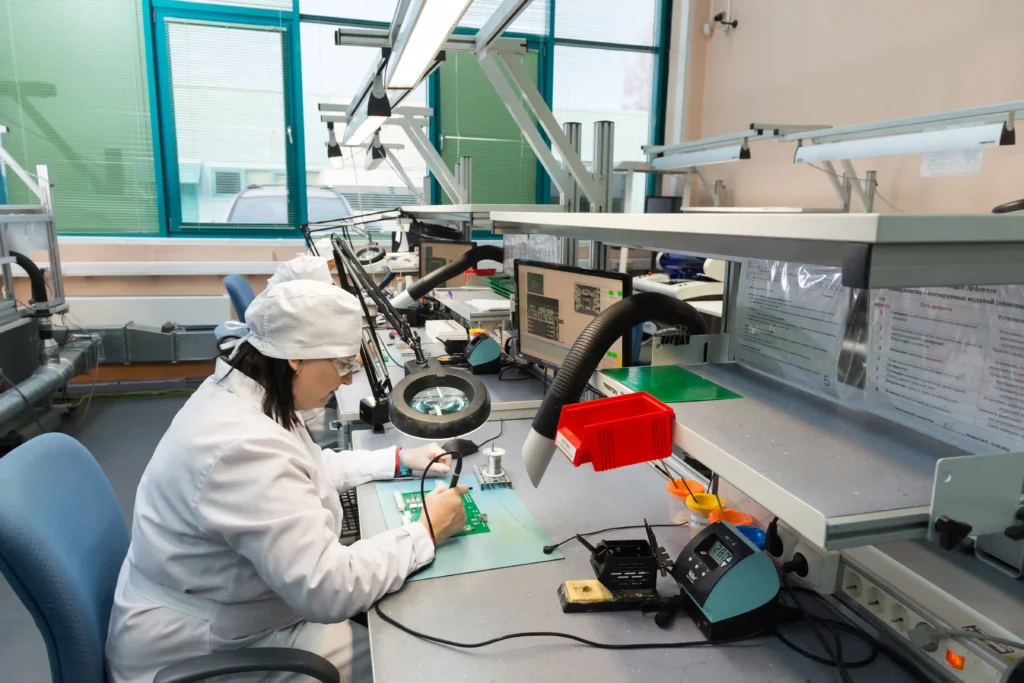
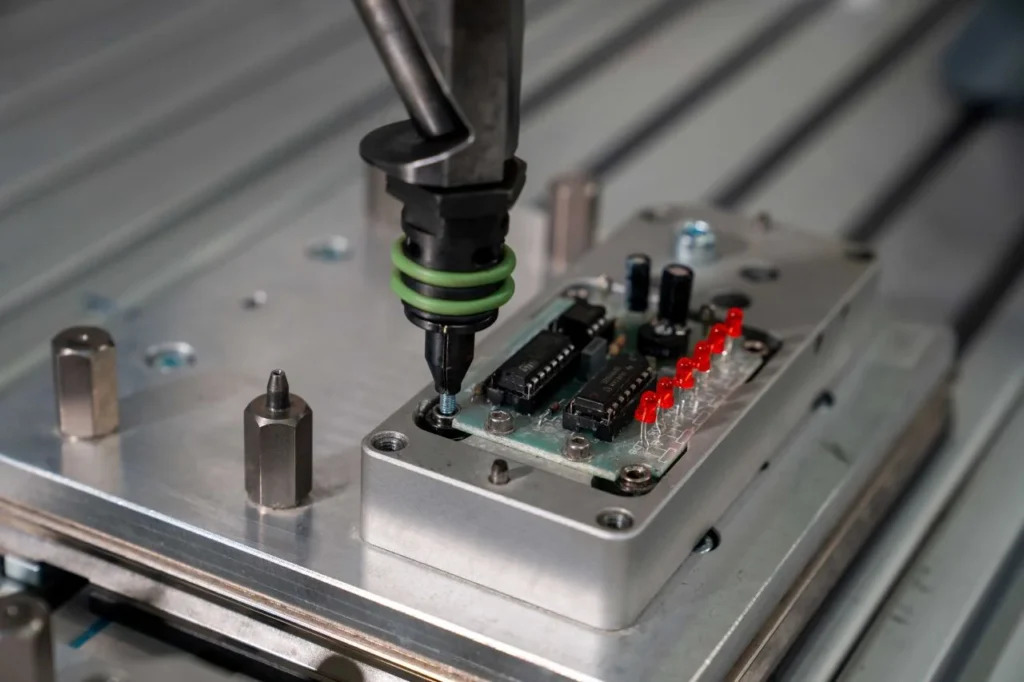
Industrial Assembly: A Complete Guide to Optimising Processes and Productivity
The industrial assembly it is a key process in modern manufacturing, as it ensures the correct assembly of components, machinery and systems in industrial environments. Efficient execution not only improves productivity but also reduces errors, operating costs and workplace risks.
In this comprehensive guide, we take an in-depth look at what assembly means in industry, its different types, essential tools and the best strategies for optimising it, including the use of professional industrial assembly tools that make a real difference in demanding environments.
Table of contents
What is industrial assembly and why is it essential in modern industry?
The industrial assembly It encompasses the technical processes used to assemble parts, components or systems within a production line or industrial facility.
Its importance lies in three key factors:
- Productivity: efficient processes reduce assembly times
- Quality: ensures precise and secure joints
- Safety: minimises structural or mechanical failures
In short, effective assembly is the foundation of reliable, scalable production.
Types of industrial assembly
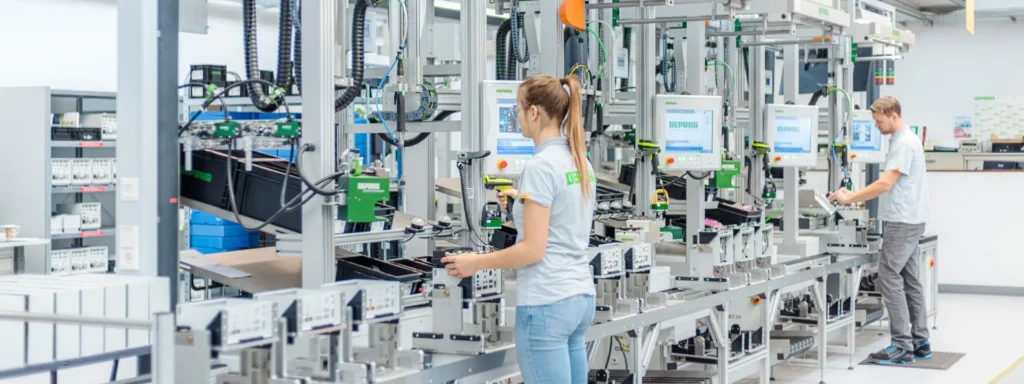
There are different types of industrial assembly processes, each tailored to specific requirements:
Industrial mechanical assembly
Assembly of physical components such as structures, machinery or mechanical systems.
Electrical installation and instrumentation
Installation of electrical systems, wiring and control devices.
Industrial piping installation
Implementation of fluid conveyance systems in industrial plants.
Steel structure assembly
Construction of supports, platforms and industrial structures.
Pneumatic and hydraulic systems
Assembly of power transmission systems using fluids or compressed air.
Automated and robotic assembly
Processes automated using industrial robots to improve precision and speed.
Stages of an industrial assembly project
An industrial assembly project is carried out in several stages:
Planning and engineering
Definition of processes, resources and timelines.
Installation and assembly
Assembly carried out using the appropriate tools and equipment.
Quality control and validation
Verification that the assembly complies with technical standards.
Commissioning
Start-up of operations and system adjustment.
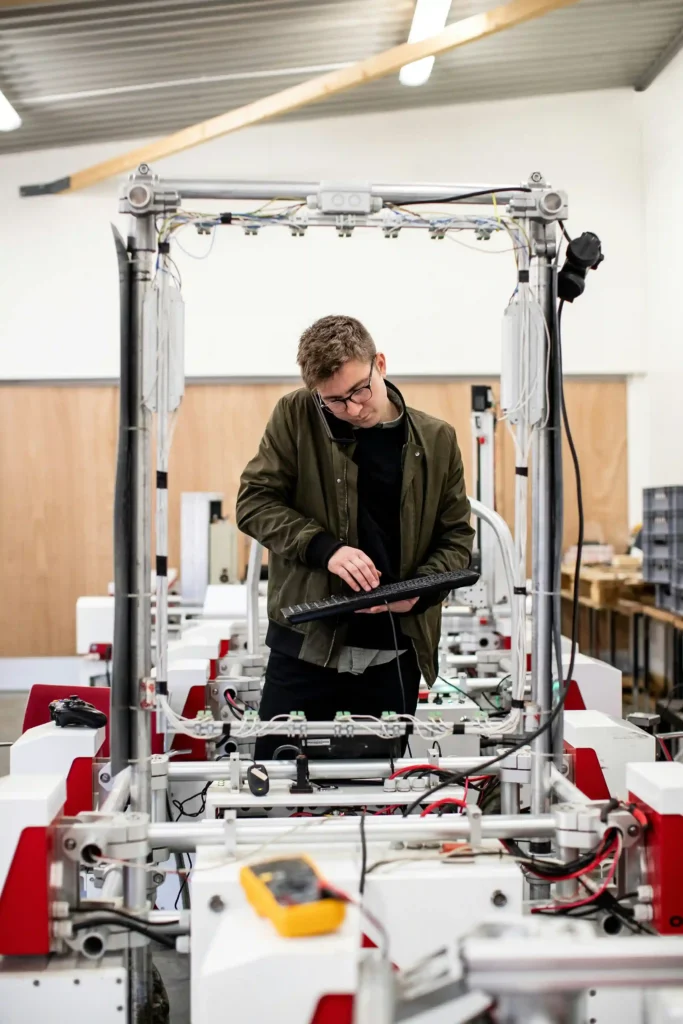
Industrial assembly tools
Using the right tools is essential to ensure precision and efficiency.
The industrial assembly tools help improve assembly quality and reduce human error.
👉 Discover professional solutions here
Tightening and torque control tools
They ensure precise tightening of screws and critical joints.
Electric and pneumatic tools
They increase speed and reduce manual effort.
Control and traceability systems
They enable each operation to be monitored and recorded.
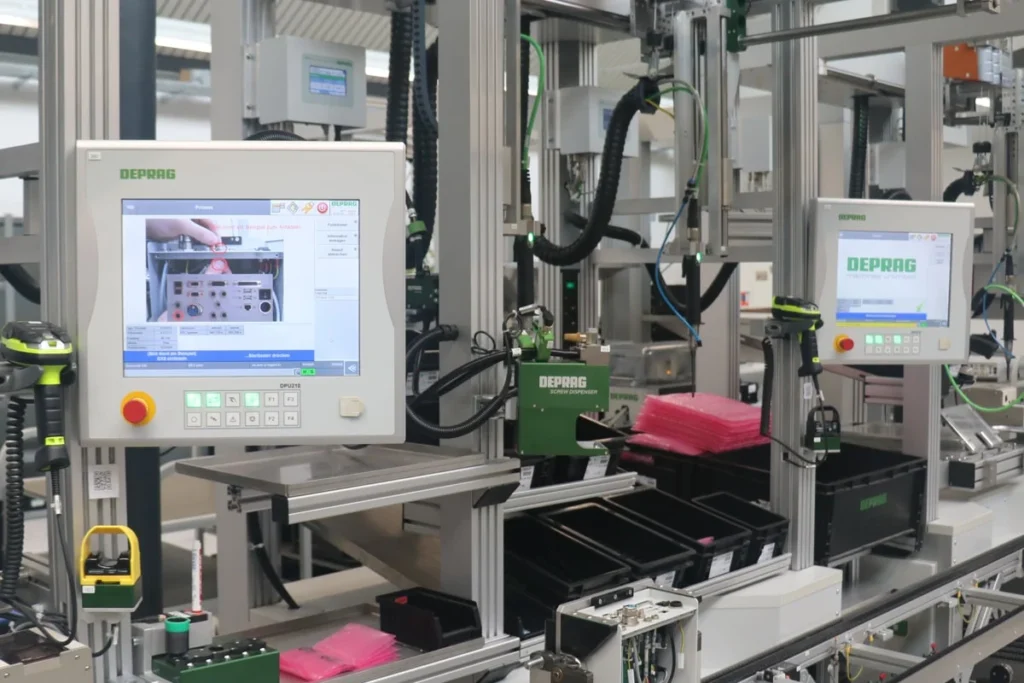
Torque control in industrial assembly: the critical factor
Industrial processes must comply with stringent quality standards, such as ISO standards for industrial processes, which ensure consistency and reliability in production. The control of tightening torque is one of the most important aspects.
Incorrect tightening can cause:
- Structural failures
- Premature wear
- Safety issues
Therefore, the use of torque control systems ensures precision, repeatability and regulatory compliance.
Ergonomics in assembly
Ergonomics is essential for improving operator performance:
- Reduces fatigue
- Prevents injuries
- Improves efficiency
Ergonomic tools enable safer and more productive work.
Industrial production automation
Automation is transforming industrial processes.
Benefits:
- Greater precision
- Error reduction
- Increased productivity
When to automate:
- Need for traceability
- Repetitive processes
- High production demand
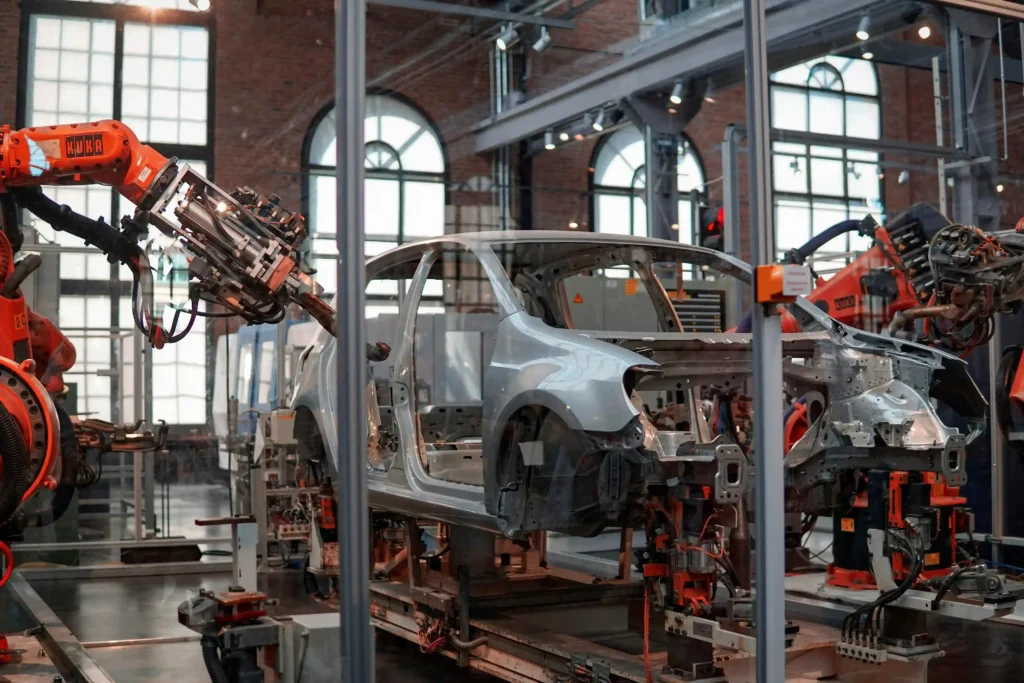
Best practices for optimising industrial assembly
The implementation of safety systems and occupational risk prevention is essential in industrial environments. To improve assembly processes, it is crucial to:
- Standardise procedures
- Train personnel
- Use appropriate tools
- Implement quality control
- Embrace digitalisation
Trends in industrial production
The shift towards Industry 4.0 is transforming today’s production landscape through digitalisation and automation:
- Integration of IoT into tools
- Real-time digital traceability
- Smart factories
These trends enable more efficient, connected and safer processes.
How to choose the right assembly solutions
Making the right choice has a direct impact on results:
Key factors:
- Type of application
- Required level of precision
- Production volume
- Ergonomics
- Technology integration
👉 Explore specialised solutions
Professional industrial assembly solutions
Working with specialist suppliers is key to optimising processes.
Professional solutions enable:
- Greater precision
- Error reduction
- Improved productivity
- Integration with digital systems
Arsam offers advanced solutions tailored to the needs of each company.
Frequently Asked Questions
¿Qué es el montaje industrial?
It is the process of assembling components and systems in industrial environments to ensure they operate correctly.
¿Qué herramientas se utilizan en el ensamblaje industrial?
Primarily tightening tools, electric and pneumatic tools, screwdriving systems and torque control systems.
¿Cuáles son los tipos de montaje?
Mechanical, electrical, piping, structural, hydraulic and automated.
¿Por qué es importante el control de par?
Because it ensures secure joints and prevents mechanical failures.
¿Cuándo se debe automatizar el montaje?
When processes are repetitive, production volumes are high or consistent precision is required.