
Smart Robots: Zero Errors in Manual Operations
3D vision, augmented reality and data analytics to digitalise assembly workstations and prevent production errors.
Smart Robots SRv3 is a modular platform designed to digitalise manual workstations and support operators throughout every stage of the process. Using 3D vision, digital instructions and augmented reality, the system verifies that operations are carried out correctly and provides immediate feedback whenever it detects a deviation.
The result is a more controlled, traceable and flexible workstation, where instructions, quality checks and process data are integrated within a single platform.
SRv3 brings together different technologies in a single modular platform to guide operators, monitor manual operations and collect process data. Its features can be configured according to the requirements of each workstation and production process.
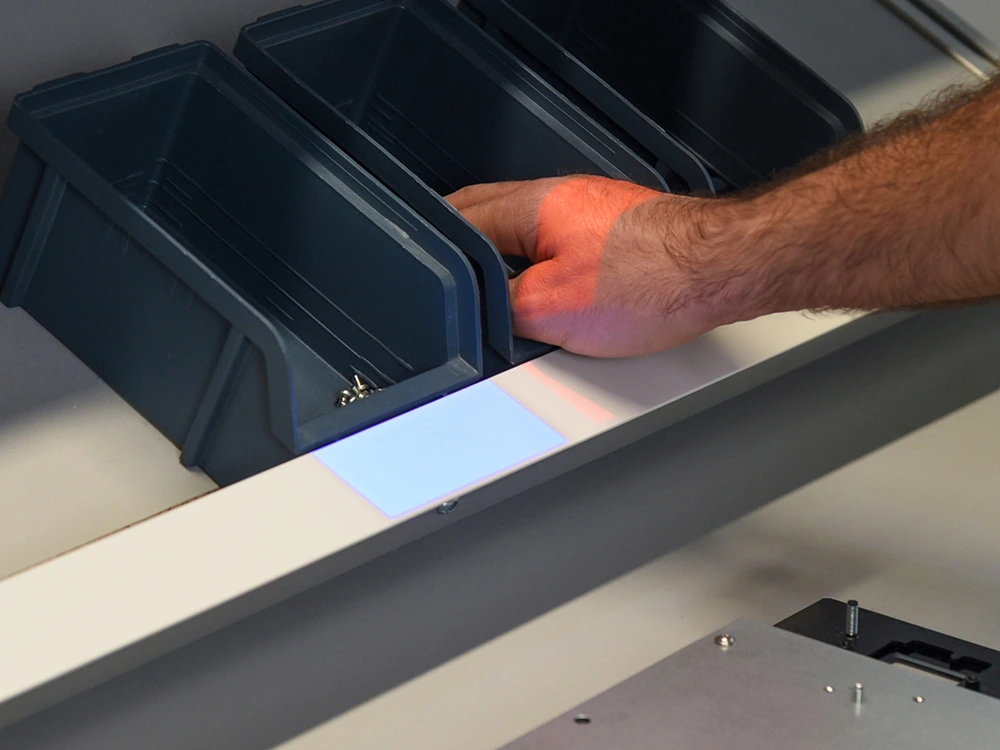
Action Verification
Precise, real-time 3D tracking of the actions performed by the operator, both manually and using tools such as screwdrivers or riveting tools.
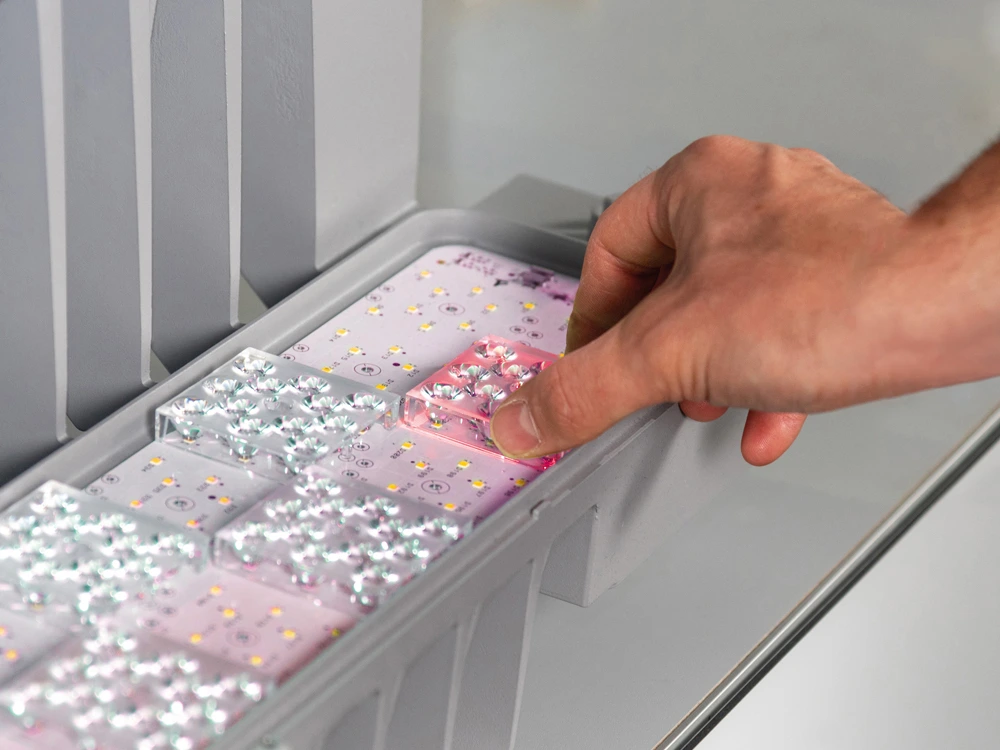
Object Recognition
3D detection of the presence, position and orientation of components, making it possible to verify that each element is correctly positioned before proceeding with the process.
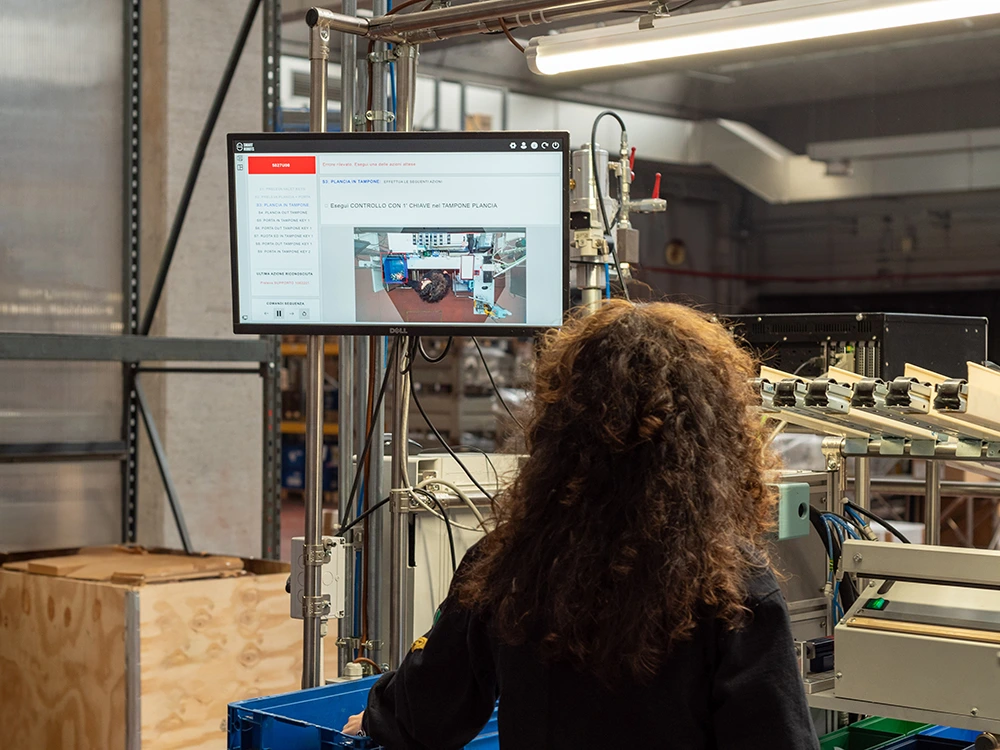
Guidance and Immediate Action
Digital instructions and augmented reality to guide operators step by step, providing immediate feedback and preventing incorrect operations through poka-yoke systems.
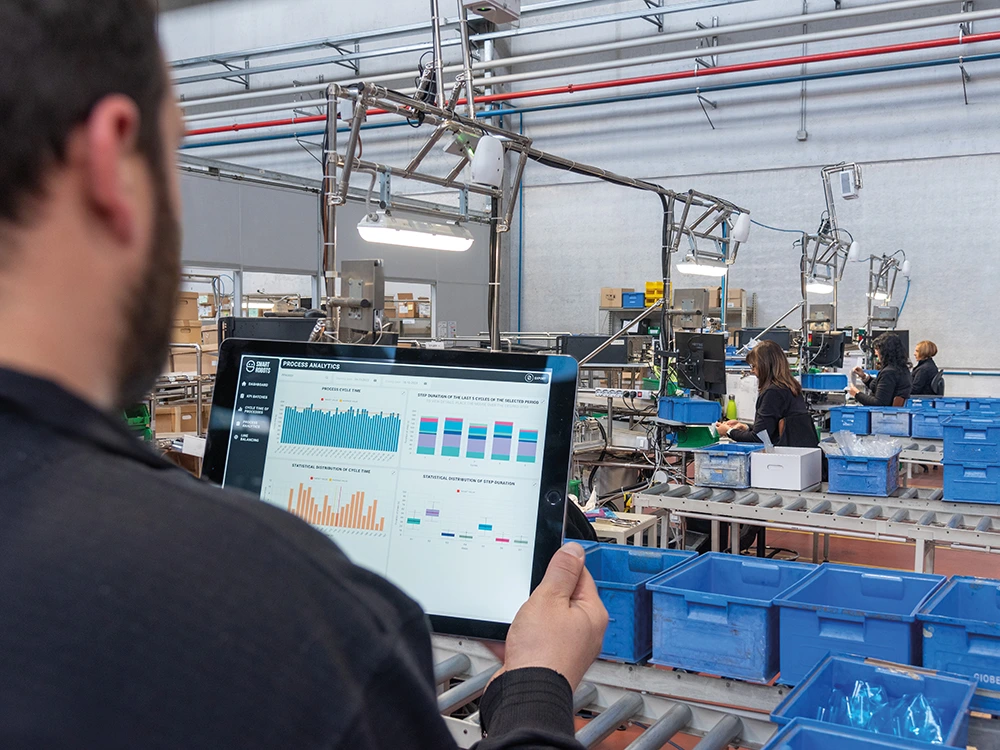
Traceability and Data Analysis
Operation logging, real-time dashboards and reports to analyse cycle times, balance production lines, certify processes and identify opportunities for improvement.
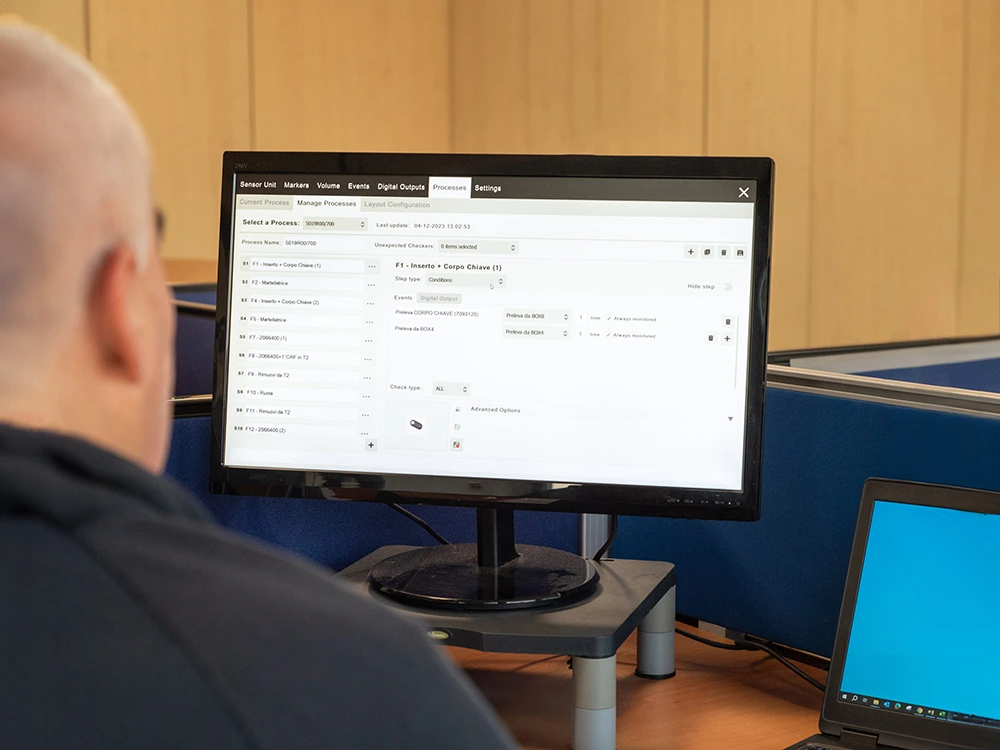
Factory Integration
Connection to the existing digital infrastructure, from tools and PLCs to production management systems such as MES or MOM.
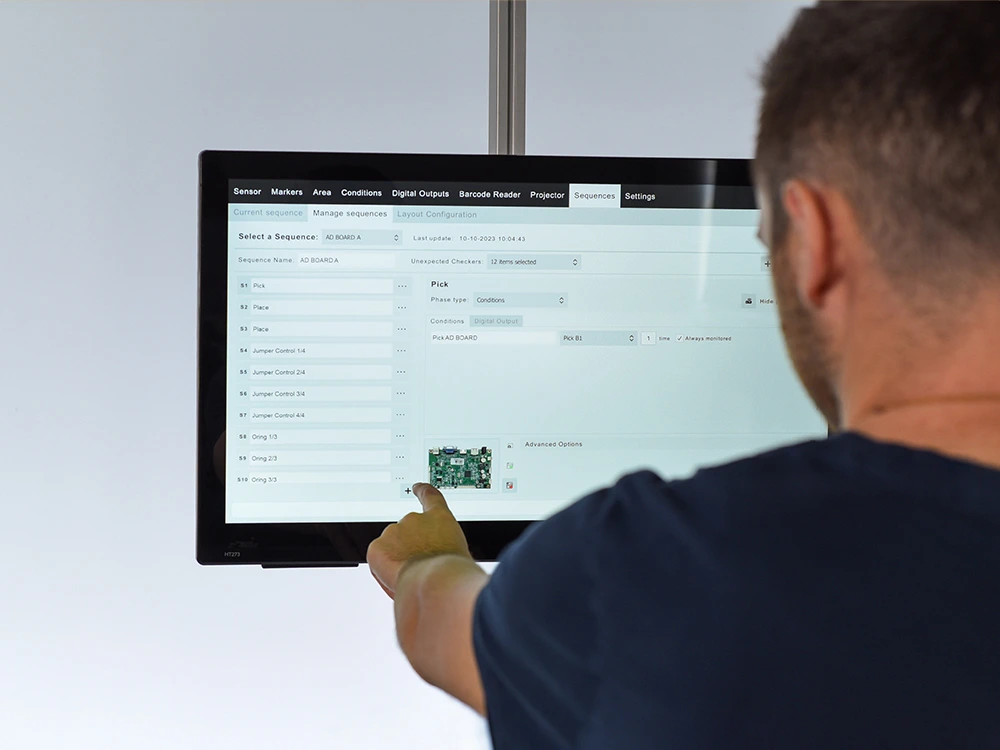
Quick and Flexible Configuration
Easy creation and modification of work sequences through a configuration and self-learning system, adapting to product changes and flexible processes.
Simplify and Digitalise the Workstation
A conventional manual workstation may require several independent devices to guide the operator and control the process: cameras, presence sensors, Pick-to-Light systems, encoders, push buttons or sensor-equipped components.
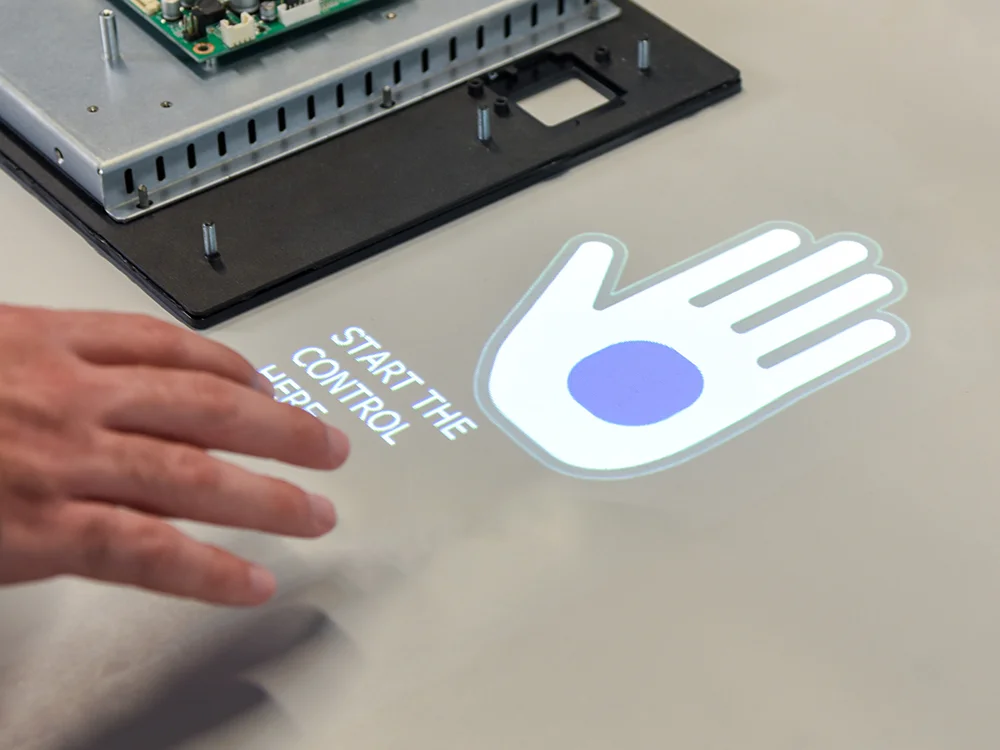
SRv3 brings many of these functions together in an integrated digital platform based on 3D vision, projection and digital instructions, reducing hardware, wiring, and the complexity of integration and maintenance.
Smart Robots Applications
Assembly and Installation
Verification of component picking, operation sequences, tool use, component presence and screwdriving processes.
Smart Robots makes it possible to certify every step of simple or complex assembly operations.
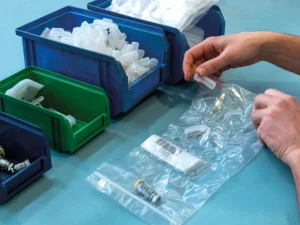
Kitting and packaging
Verification that the correct component is selected and that all required items are present in the final kit or packaging.
A particularly valuable application when an error ultimately results in a return, claim or rework.
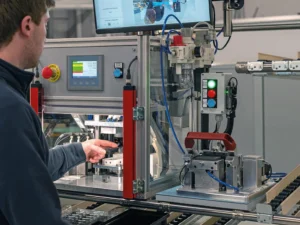
Machine Feeding and Tending
Verification of correct component positioning before carrying out operations on presses, machines, testing equipment or other production processes.
The aim is to detect potential errors before the operation is carried out, reducing rejects, rework and the cost of poor quality.
Would you like to see how Smart Robots can fit into your process?
Tell us how your workstation operates, and we will assess how SRv3 can be applied to guide operators, control critical operations and reduce production errors.
What Does Smart Robots Bring to Your Processes?
SRv3 in Numbers
About Smart Robots
Smart Robots is a Italian technology SME originating from the robotics research team at Politecnico di Milano and a spin-off from the university itself. The company specialises in technologies designed to improve the quality and productivity of manual processes through machine vision, augmented reality and industrial digitalisation.
Its philosophy keeps the operator at the centre of the process: the technology is not intended to replace manual work, but to provide tools that make it simpler, more controlled, traceable and efficient.
FAQ – Frequently Asked Questions about Smart Robots
What is Smart Robots?
Smart Robots develops SRv3, a modular platform for digitalising and controlling manual workstations through 3D vision, digital instructions, augmented reality and data analysis.
What is SRv3?
SRv3 is Smart Robots’ platform for verifying actions performed by the operator, recognising components, providing digital instructions and collecting process data.
Can it be used as a poka-yoke system?
Yes. The system can detect incorrect operations and provide immediate feedback or prevent certain actions from continuing until the specified conditions are met.
Can it be integrated with screwdrivers and other tools?
Yes. Smart Robots supports connections with screwdrivers, testing machines, sensors, actuators and other equipment present at a workstation.
Can it be connected to a MES?
Yes. The platform offers integration options with MES/MOM systems and other digital factory infrastructures using different protocols and interfaces.
Is it only useful for high-volume production?
No. Its ease of configuration makes it suitable for both repetitive high-volume production processes and small batches with numerous variants and complex operations.
Which processes can it be used for?
Typical applications include assembly, kitting, packaging, screwdriving and machine feeding.